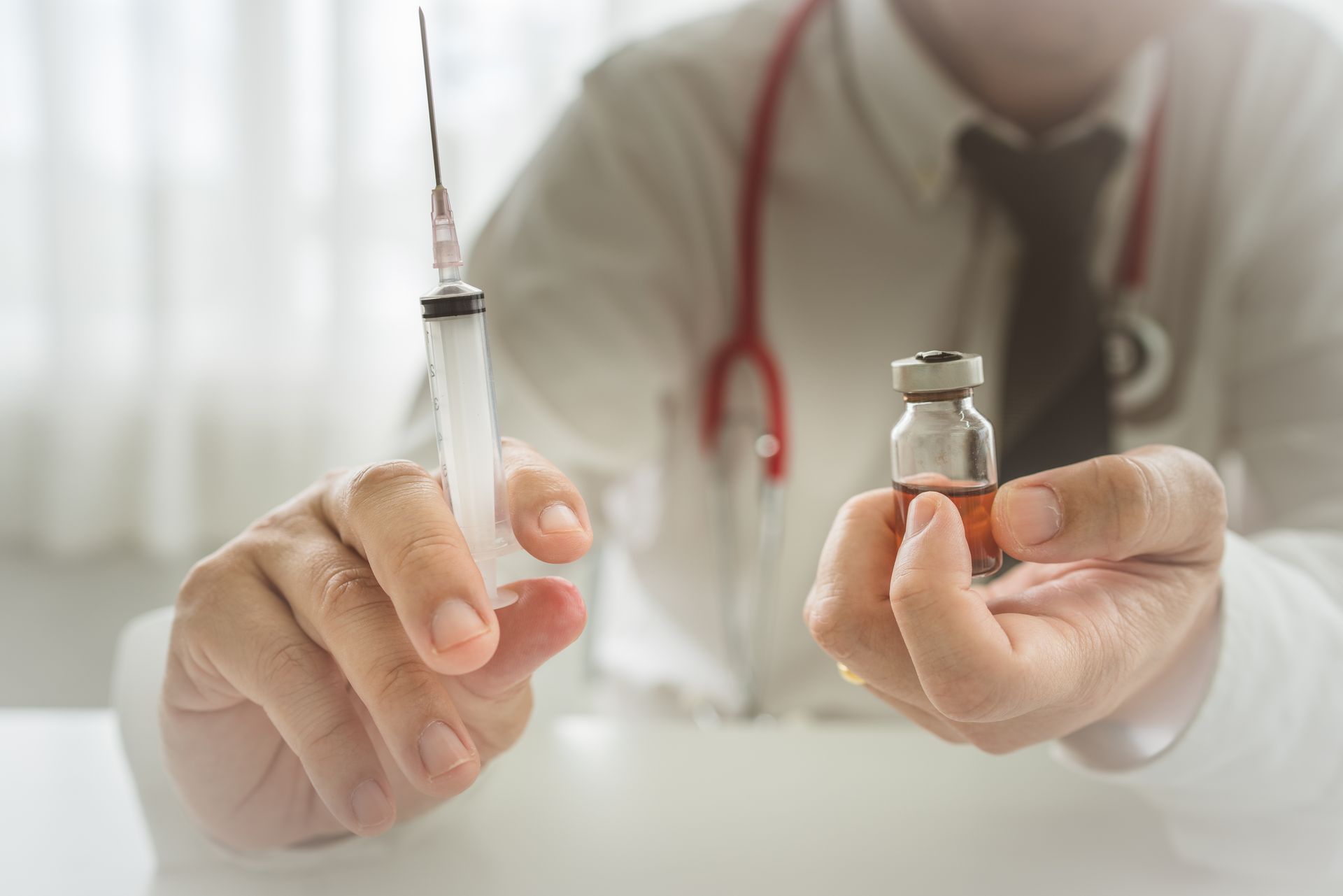


Understanding Menopausal Hormone Therapy
Menopausal Hormone Therapy (MHT), also known as Hormone Replacement Therapy (HRT), is a treatment used to alleviate symptoms associated with menopause. These symptoms often include hot flashes, night sweats, mood swings, and vaginal dryness, which can significantly impact a woman’s quality of life. MHT aims to replenish the hormones that the body no longer produces after menopause.

Types of Menopausal Hormone Therapy
There are primarily two types of MHT: Estrogen Therapy (ET) and Combined Hormone Therapy (CHT). Estrogen Therapy involves the administration of estrogen alone and is typically prescribed for women who have had a hysterectomy. Combined Hormone Therapy, on the other hand, combines estrogen, testosterone with progesterone and is used for women who still have their uterus. This combination helps to protect against endometrial cancer, a risk associated with estrogen-only therapy without the progesterone.
Each type of therapy can be tailored to the individual’s needs, with options such as pills, patches, pellets and creams. The choice of therapy depends on various factors including personal health history and preferences.
Benefits of Menopausal Hormone Therapy
MHT offers several benefits, particularly for women experiencing severe menopausal symptoms. Some of these benefits include:
- Relief from Hot Flashes: MHT is highly effective in reducing the frequency and severity of hot flashes.
- Improved Sleep: By alleviating night sweats, MHT can help improve sleep quality.
- Bone Health: Estrogen plays a crucial role in maintaining bone density, reducing the risk of osteoporosis and fractures.
- Mood Stabilization: Some women report improvements in mood and overall mental well-being.
- Improve Anxiety/Depression: Anxiety and depression increases with age usually in the 30s-40s and will worsen as women get older.

Alternatives to Hormone Therapy
For women who cannot or choose not to undergo MHT, there are alternative options available. These include lifestyle changes, dietary adjustments, and non-hormonal medications. Practices such as regular exercise, a balanced diet, and stress management can significantly reduce menopausal symptoms.
Non-hormonal medications such as antidepressants and anti-seizure drugs have also been shown to provide relief for some symptoms.